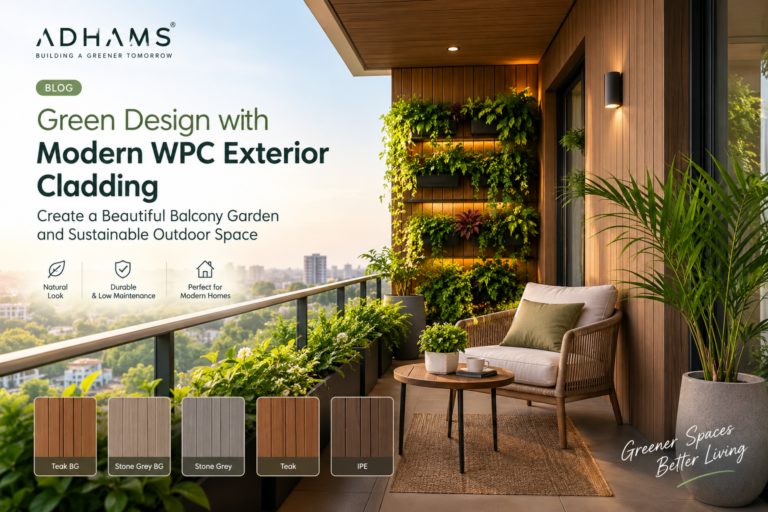
Green Design with Modern WPC Exterior Cladding
September 14, 2026
Create a Beautiful Balcony Garden and Sustainable Outdoor Space
A modern building exterior is no longer just about paint, concrete, and glass. Today, homeowners, architects, and interior designers are looking for ways to combine architectural beauty with natural greenery, comfortable outdoor spaces, and materials that are practical for everyday living. One of the most effective ways to achieve this balance is by combining WPC exterior cladding with balcony gardens, vertical plants, and modern landscape design.
WPC (Wood Plastic Composite) exterior cladding brings the warmth of natural wood-inspired textures to building facades while offering a durable and low-maintenance alternative to conventional timber finishes. When paired with plants, planters, outdoor seating, and carefully designed lighting, it can transform an ordinary balcony or exterior wall into a stylish green retreat.
Whether you are designing a contemporary villa, renovating an apartment balcony, or creating a welcoming outdoor area for a commercial building, WPC wall panels exterior can help you achieve a sophisticated architectural finish.
In this blog, we explore how modern WPC exterior cladding can be used with balcony gardens, vertical greenery, and sustainable outdoor design to create beautiful spaces that feel connected to nature.
What Is WPC Exterior Cladding?
WPC exterior cladding is a wall-finishing material made from a combination of wood fibers and polymer-based materials. It is engineered to offer the natural appearance of wood with the practical benefits of composite construction.
Unlike conventional timber, which may require regular polishing, staining, or protective treatments, WPC cladding is designed for easier maintenance and outdoor applications. It is commonly used on residential facades, balconies, terraces, commercial buildings, feature walls, and landscape structures.
Modern WPC exterior cladding is available in different colours, textures, and wood-inspired finishes. This makes it suitable for both minimalist architecture and more nature-inspired exterior designs.
For green design projects, WPC provides an attractive backdrop for plants and landscaping. Its wood-like appearance creates a visual connection between the building and the natural environment, while its contemporary finish keeps the overall design clean and modern.
Why Combine WPC Exterior Cladding with Green Design?
Green design is not only about adding plants to a building. It is about creating a balanced relationship between architecture, natural elements, comfort, and responsible material choices.
A balcony with plants and a plain painted wall can look attractive, but adding a textured WPC feature wall can give the space more depth and character. The contrast between natural greenery and wood-inspired cladding creates a warm, premium appearance.
Here are some of the reasons this combination works so well.
1. Creates a Natural and Modern Appearance
WPC exterior cladding is designed to replicate the visual appeal of natural wood. When combined with green plants, it creates a natural-looking environment without requiring the use of traditional timber for every exterior surface.
The result is a balanced design where greenery softens the architectural lines and the cladding adds warmth to the space.
This works especially well in:
- Modern villa balconies
- Apartment sit-outs
- Terrace gardens
- Outdoor seating areas
- Residential entrance walls
- Resort and hospitality spaces
2. Adds Texture and Depth to Exterior Walls
Large exterior walls can sometimes appear flat or unfinished. WPC cladding introduces texture, colour variation, and architectural detail.
A vertical cladding installation behind a balcony garden can act as a feature wall. The plants placed in front of it create layers, making the outdoor space more visually interesting.
Instead of covering every wall with the same finish, designers can combine WPC with painted surfaces, stone, concrete, glass, or metal to create a more dynamic facade.
3. Supports Low-Maintenance Outdoor Design
Balcony gardens require regular care, including watering, pruning, and cleaning. Choosing low-maintenance materials for the surrounding walls can make outdoor living easier.
WPC exterior cladding is designed to offer moisture resistance, UV resistance, and reduced maintenance compared with conventional timber finishes. Adhams highlights these properties as part of its WPC exterior collection.
However, the performance of any cladding depends on the specific product, installation method, exposure, and manufacturer’s recommendations. Proper drainage and suitable outdoor installation are important, especially in rainy and humid regions.
How to Create a Beautiful Balcony Garden with WPC Exterior Cladding
A balcony garden does not need to be large to look impressive. With the right combination of wall finishes, plants, lighting, and furniture, even a compact balcony can become a comfortable outdoor space.
Here are some practical design ideas.
1. Create a WPC Feature Wall Behind the Balcony Garden
One of the simplest ways to use WPC exterior cladding is to install it on the main wall behind your balcony plants.
This wall becomes the visual background for the garden. The wood-inspired texture creates a warm contrast with green foliage, ceramic pots, and outdoor furniture.
For a modern balcony, choose a vertical or slatted arrangement to create a clean architectural appearance. For a more natural look, combine wood-tone cladding with different sizes of leafy plants.
A feature wall is particularly useful when the balcony has:
- A plain concrete wall
- A painted apartment exterior
- A narrow seating area
- A small vertical garden
- A compact outdoor workspace
The wall finish helps define the garden as a designed space rather than simply an area where plants are placed.
2. Combine WPC Cladding with Vertical Gardens
Vertical gardens are an excellent solution for balconies where floor space is limited. Instead of placing many pots on the floor, plants can be arranged vertically using wall-mounted planters, trellises, or modular green-wall systems.
WPC cladding can be used as a complementary wall finish beside the greenery or on selected portions of the wall.
For example, a balcony could feature:
- A WPC-clad wall on one side
- A vertical plant arrangement on the other
- A compact bench in the centre
- Warm lighting along the ceiling
- Small planters near the railing
This arrangement creates a layered outdoor environment while keeping the floor area open.
When designing a vertical garden, select plants according to sunlight, wind exposure, watering requirements, and the weight-bearing capacity of the wall or mounting system.
3. Use Wood-Tone WPC for a Warm Balcony Retreat
Wood-inspired colours are especially effective when the goal is to create a peaceful outdoor space.
Adhams offers wood-look and contemporary WPC exterior options, including Teak BG, Teak, Stone Grey BG, Stone Grey, and IPE. These can be explored as possible design finishes for modern exterior applications.
A teak-inspired WPC wall can be paired with:
- Green tropical plants
- Wooden-look outdoor furniture
- Neutral cushions
- Terracotta planters
- Warm white lighting
- Natural stone flooring
This creates a warm, resort-inspired balcony that feels inviting during both daytime and evening.
The key is to avoid using too many competing colours. A simple palette of wood tones, green plants, and neutral finishes often creates a more elegant result.
4. Design a Minimalist Balcony with Stone Grey WPC
Not every green design needs a traditional wood appearance. For contemporary apartments and modern villas, grey-toned WPC cladding can create a sophisticated backdrop for greenery.
Stone Grey and Stone Grey BG are suitable options to consider when designing a more minimalist exterior.
The combination of grey cladding and green plants works particularly well with:
- Black metal planters
- Grey outdoor tiles
- Concrete textures
- Glass balcony railings
- Modern outdoor furniture
- Architectural lighting
A stone-grey feature wall can make bright green foliage stand out, creating a clean and contemporary look.
This design approach is ideal for homeowners who prefer a modern balcony rather than a rustic garden aesthetic.
5. Create a Balcony Seating Area Surrounded by Greenery
A balcony garden becomes more useful when it includes a comfortable place to sit.
Instead of treating the balcony only as a plant display, design it as an extension of the living area.
A WPC-clad wall can form the background for a compact seating arrangement. Depending on the available space, you could include a two-seater bench, outdoor chairs, or a small coffee table.
Add plants around the seating area to create a more private and relaxing environment.
For a premium finish, combine the cladding with:
- Weather-resistant outdoor furniture
- Planters in matching colours
- Soft outdoor cushions
- Warm LED lighting
- A small outdoor rug suitable for the conditions
The objective is to create an outdoor space that can be used for morning coffee, evening relaxation, reading, or spending time with family.
6. Use WPC Cladding for Balcony Privacy and Green Screening
Balconies in apartments and urban homes often face privacy challenges. Nearby buildings, busy roads, and neighbouring balconies can make outdoor spaces feel exposed.
A well-planned combination of WPC cladding, privacy screens, and greenery can help create a more comfortable environment.
WPC panels can be used on selected walls or architectural sections, while tall plants and suitable screening systems provide additional visual separation.
For example, a balcony could have:
- WPC cladding on the rear wall
- Tall planters along one side
- Climbing plants on a dedicated trellis
- A privacy screen near the seating area
The result is a more enclosed and private balcony without making the space feel completely closed.
Remember that cladding is not automatically a complete privacy solution. The final level of privacy depends on the panel arrangement, railing design, screen height, and surrounding buildings.
WPC Exterior Cladding Ideas for Villas and Modern Homes
The benefits of WPC exterior cladding extend beyond balconies. It can be used in several areas of residential architecture.
Villa Entrance Feature Walls
A WPC feature wall at the entrance can create a welcoming first impression. Combine wood-inspired cladding with stone, landscaping, and outdoor lighting to create a premium entrance elevation.
Terrace Garden Walls
Terraces can be transformed into outdoor living areas with seating, planters, and pergola structures. WPC cladding can be used on selected walls to create a defined architectural backdrop.
Outdoor Dining Areas
For villas with outdoor dining spaces, WPC can add warmth to the surrounding architecture. Combine it with weather-resistant furniture and greenery for a relaxed dining environment.
Garden Boundary Features
WPC can be incorporated into selected landscape walls and decorative structures. It can help separate different areas of the garden and create a cohesive design theme.
Modern Apartment Facades
For apartment buildings, WPC exterior cladding can add texture and visual interest to selected facade elements, balconies, and entrance areas.
The exact suitability of a particular cladding product should be confirmed for the intended application, especially when used at height or in exposed facade systems.
Choosing the Right WPC Exterior Cladding Colour
The colour of your WPC exterior cladding can significantly influence the appearance of your balcony garden or building facade.
Teak and Teak BG
Explore Adhams Teak BG and Teak WPC exterior cladding for a warm, wood-inspired design direction.
Teak tones work well with tropical plants, warm lighting, natural textures, and earthy outdoor furniture.
Stone Grey and Stone Grey BG
Stone Grey BG and Stone Grey can be considered for contemporary and minimalist exterior designs.
Grey tones work well with modern architecture, neutral tiles, black accents, and bright green foliage.
IPE
IPE WPC exterior cladding is another option to explore when creating a wood-inspired architectural finish.
When choosing a colour, consider the building’s existing exterior, the amount of sunlight, the surrounding landscape, and the style of furniture and planters.
Always review the actual product finish and confirm availability before finalizing the design.
Is WPC Exterior Cladding Suitable for Kerala and Other Humid Regions?
WPC exterior cladding is particularly relevant to building projects in regions where rain, humidity, and outdoor exposure are important considerations.
Kerala’s climate makes moisture management a key part of exterior design. WPC is promoted for moisture resistance and outdoor applications, but no cladding should be treated as completely maintenance-free or universally waterproof without checking its technical specifications.
For homes in Kerala, Bangalore, Malappuram, Ernakulam, and other locations, consider the following before installation:
Proper Drainage
Ensure rainwater does not collect behind the cladding or around the balcony wall.
Suitable Installation
Use the recommended fixing system, spacing, and supporting structure for the specific product.
Ventilation and Expansion
Exterior composite materials may expand and contract with temperature changes. Follow the manufacturer’s installation recommendations.
Regular Cleaning
Dust, pollution, algae, and other outdoor deposits may accumulate over time. Periodic cleaning helps maintain the appearance.
Product Suitability
Confirm that the selected WPC product is appropriate for the intended exposure, including direct rain, strong sunlight, and facade installation.
A good installation is just as important as choosing a good-looking material.
How to Make Your WPC Balcony Garden More Sustainable
A green balcony should be designed with more than just appearance in mind. You can make the space more environmentally responsible through careful choices.
Choose Suitable Plants
Select native or climate-appropriate plants that require less water and maintenance. For balconies, consider the amount of sunlight, wind, and available space.
Use Planters Responsibly
Choose durable planters and reuse suitable containers where possible. Ensure the balcony structure can safely support the combined weight of plants, soil, water, and furniture.
Use Efficient Irrigation
A small drip irrigation system or carefully planned watering routine can help reduce water wastage.
Add Natural Shade
Plants, trellises, and suitable shading systems can help improve comfort in outdoor spaces. The effectiveness depends on the balcony orientation and local climate.
Reduce Unnecessary Material Use
Use WPC cladding selectively on feature walls and architectural elements instead of covering every surface without a design purpose.
Plan for Long-Term Maintenance
Choose materials and plants that can be maintained easily over time. Sustainable design should consider durability, maintenance, replacement, and the entire life of the outdoor space.
WPC can support a more durable exterior design, but its environmental benefits depend on the product’s composition, recycled content, manufacturing, and end-of-life handling. Always review the manufacturer’s technical and environmental information when sustainability is a major project requirement.
Why Choose ADHAMS for WPC Exterior Cladding?
ADHAMS offers WPC exterior cladding and wall panel solutions for modern residential, commercial, and architectural projects.
The company’s WPC exterior collection includes wood-inspired and contemporary finishes designed to enhance building exteriors. Its website highlights features such as moisture resistance, UV resistance, low maintenance, easy installation, and outdoor suitability.
ADHAMS supplies architectural and decorative materials in Malappuram, Ernakulam, and Bangalore, helping homeowners, architects, builders, and designers explore exterior finishing options.
If you are planning a balcony garden, villa facade, terrace renovation, or modern outdoor space, explore the WPC exterior collection and compare the available finishes.
Final Thoughts: Bring Nature and Architecture Together
A well-designed balcony garden can transform the way you experience your home. When combined with modern WPC exterior cladding, greenery becomes part of a larger architectural design rather than an isolated decoration.
From warm teak-inspired walls to contemporary stone-grey finishes, WPC exterior cladding offers multiple ways to create a stylish outdoor environment. Add vertical plants, comfortable seating, natural textures, and suitable lighting to turn a balcony into a relaxing green retreat.
For villas, apartments, and commercial buildings, the combination of WPC cladding and greenery can create an exterior that feels modern, welcoming, and connected to nature.
Looking for modern WPC exterior cladding for your home or building?
Explore the ADHAMS WPC Exterior collection and discover finishes for your next architectural project.
FAQs
1. What is WPC exterior cladding?
WPC exterior cladding is a wood-plastic composite wall-finishing material used to improve the appearance of building exteriors. It offers a wood-inspired appearance with properties designed for outdoor applications.
2. Is WPC exterior cladding suitable for balcony gardens?
Yes, WPC exterior cladding can be used as a feature wall or decorative backdrop for balcony gardens. It works well with vertical plants, planters, outdoor seating, and modern landscaping. The selected product must be suitable for the intended outdoor exposure.
3. Is WPC cladding better than natural wood for outdoor walls?
WPC can offer lower maintenance and improved resistance to moisture and insects compared with conventional wood. However, the best choice depends on the project’s design, budget, environmental conditions, and product specifications.
4. Can WPC exterior cladding be used in Kerala?
WPC exterior cladding can be considered for exterior projects in Kerala, including balconies, villas, and feature walls. Because Kerala experiences rain and humidity, proper installation, drainage, and product suitability are important.
5. What are the best WPC cladding colours for a balcony garden?
Teak, Teak BG, Stone Grey, Stone Grey BG, and IPE are options to explore. Teak tones create a warm natural appearance, while grey tones offer a modern minimalist backdrop for greenery.
6. How do I combine WPC cladding with a vertical garden?
Install WPC cladding on a selected feature wall and use separate plant supports, wall-mounted planters, or a vertical gardening system for the greenery. Make sure the wall, fixing system, and balcony structure can safely support the installation.
7. Does WPC exterior cladding require maintenance?
WPC exterior cladding is designed for low maintenance, but periodic cleaning and inspection are still recommended. Maintenance requirements depend on the product, installation, and exposure to weather.
8. Is WPC exterior cladding waterproof?
WPC exterior cladding generally offers moisture resistance, but waterproofing performance varies by product and installation. It should not be assumed to replace a building’s waterproofing system or protect against water entering through an improperly detailed wall.
9. Where can I buy WPC exterior cladding in Bangalore, Malappuram, and Ernakulam?
You can explore the WPC exterior collection from ADHAMS, which supplies architectural and decorative materials in Malappuram, Ernakulam, and Bangalore. Visit the WPC Exterior product category to explore the collection.
10. Which WPC exterior cladding is best for modern villas?
The best option depends on the villa’s architecture and preferred finish. Teak and IPE can suit warm wood-inspired designs, while Stone Grey and Stone Grey BG can complement contemporary facades. Compare the product finishes and confirm suitability with your architect or supplier.

