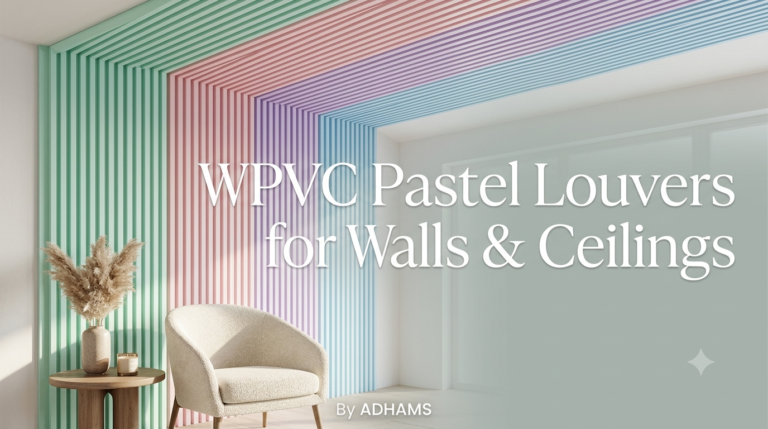
WPVC Pastel Louvers: A Soft, Stylish and Modern Choice for Walls & Ceilings
September 28, 2026
Interior design is moving towards spaces that feel calm, warm, personal, and visually balanced. While bold colours and dramatic finishes continue to have their place, homeowners and designers are increasingly choosing softer shades to create interiors that feel comfortable and timeless. This growing preference has brought pastel colours into the spotlight, particularly when combined with contemporary wall and ceiling treatments.
One of the most versatile ways to introduce this trend into a home is through WPVC pastel louvers.
WPVC louvers combine the clean, structured appearance of vertical or linear panels with the practical qualities of a lightweight decorative material. When produced in pastel shades, these louvers can add colour and texture without making a room feel visually heavy.
From living room feature walls and bedroom headboards to false ceilings, TV walls, study areas, children’s rooms, cafés, offices, and commercial interiors, pastel louvers can create a modern architectural feature while maintaining a soft and welcoming atmosphere.
But why are pastel colours becoming so popular? What makes pastel louvers different from conventional painted walls? And how can you use pastel WPVC louvers on walls and ceilings without overwhelming the interior?
Let’s explore how this soft colour trend is shaping contemporary interior design.
What Are WPVC Pastel Louvers?
WPVC pastel louvers are decorative louver panels made using WPVC-based material and finished in soft, muted, or light colours commonly associated with the pastel palette.
Unlike a completely flat painted wall, louver panels introduce both colour and three-dimensional texture. The repeated vertical lines create rhythm, while the pastel finish keeps the overall appearance subtle.
Depending on the design and installation, louvers can be used to:
- Create feature walls
- Highlight TV units
- Frame beds and headboards
- Add texture behind sofas
- Define dining areas
- Decorate ceilings
- Create visual partitions
- Enhance reception areas
- Add character to children’s rooms
- Create accent sections in offices and commercial spaces
The combination of linear texture and muted colour makes pastel louvers particularly suitable for contemporary, minimalist, Scandinavian-inspired, modern Indian, and soft luxury interiors.
Why Are Pastel Colours Trending in Interior Design?
Pastel colours are not simply a short-lived colour trend. Their growing popularity is connected to a broader movement towards interiors that feel more relaxed and comfortable.
Modern homes are increasingly expected to serve multiple purposes. A living room can be a workspace during the day, a family gathering area in the evening, and a place to relax at night. Bedrooms are designed as personal retreats, while balconies, dining spaces, and study corners are being treated as extensions of the home.
Pastel colours support this shift because they introduce colour without creating excessive visual intensity.
1. Pastels Create a Calmer Visual Environment
Soft colours can make a room feel more relaxed compared with highly saturated shades.
Colours such as pastel green, powder blue, blush pink, lavender, peach, cream, muted yellow, and soft beige can introduce personality while maintaining visual softness.
When these colours are combined with linear WPVC louvers, the result is a feature that has enough texture to attract attention without dominating the entire room.
2. Pastels Work Well with Natural Materials
One reason pastel interiors are increasingly popular is their ability to work with other natural-looking finishes.
Pastel louvers can be combined with:
- Light wood
- Natural stone
- Marble
- Terrazzo
- Rattan
- Cane
- Linen
- Matte metals
- Indoor plants
For example, pastel sage green louvers paired with light oak furniture and indoor plants can create a fresh, nature-inspired interior.
Similarly, dusty pink louvers can be paired with cream upholstery, brass details, and warm lighting for a softer luxury aesthetic.
3. Pastel Colours Help Create a Modern Minimalist Look
Minimalism does not necessarily mean using only white, grey, or beige.
Modern minimalism increasingly focuses on reducing visual clutter while introducing carefully selected colours and textures.
A pastel louver feature wall can provide colour and architectural interest while allowing the rest of the room to remain relatively simple.
This makes pastel louvers especially useful when you want a statement wall without a loud colour palette.
Why Choose WPVC Louvers for Walls?
Walls are one of the most common applications for decorative louvers because they offer an opportunity to introduce texture without extensive structural changes.
A plain wall can sometimes make a room feel unfinished. Instead of using wallpaper, artwork, or a conventional painted accent wall, WPVC louvers can create a dimensional architectural feature.
Living Room Feature Walls
A pastel louver wall behind the sofa can become the visual centre of the living room.
Soft sage, dusty blue, beige, blush, or muted terracotta can complement neutral sofas and wooden furniture.
For a balanced appearance, use pastel louvers on one primary wall rather than covering every wall in the same finish.
TV Unit Backdrop
The TV wall is often one of the most visually important areas in a modern living room.
WPVC pastel louvers can provide a textured backdrop for the television while helping integrate the TV into the overall interior.
A muted grey-blue, warm beige, or sage tone can work particularly well with wood-finish cabinetry.
Bedroom Feature Wall
Bedrooms benefit from colours that create a restful atmosphere.
Pastel louvers behind the bed can replace a conventional upholstered headboard or work alongside one.
Soft green, powder blue, lavender, blush, and warm neutral tones can create a comfortable backdrop without making the bedroom visually busy.
Dining Area
A pastel louver feature wall can also help define a dining zone within an open-plan living and dining area.
This is particularly useful when there is no physical wall separating the two spaces.
The louver wall creates a visual boundary while maintaining the open feeling of the overall floor plan.
WPVC Pastel Louvers for Ceilings
Although louvers are commonly associated with walls, they can also be incorporated into ceiling designs.
A ceiling treatment can transform an otherwise overlooked surface into an important part of the interior concept.
Pastel colours are particularly interesting for ceilings because they can introduce colour without the intensity that a darker shade might create.
Pastel Ceiling Panels for Bedrooms
A soft pastel ceiling can create a gentle visual transition between walls and the upper plane of the room.
For example, a light sage or muted blue ceiling combined with warm white walls can create a relaxed bedroom environment.
Living Room Ceiling Features
In larger living rooms, pastel louver sections can be used as an architectural ceiling feature.
Instead of covering the entire ceiling, designers can use louvers selectively above:
- Seating zones
- Dining areas
- TV units
- Entry areas
- Passageways
This approach can visually define different areas within an open-plan interior.
False Ceiling Integration
WPVC louvers can also be considered as part of a layered ceiling design.
A designer may combine louver panels with recessed lighting, cove lighting, gypsum elements, or other decorative finishes to create depth.
The exact installation method should be selected according to the ceiling structure, product specifications, lighting requirements, and access requirements.
The Benefits of Using Pastel WPVC Louvers
Pastel colour is only one part of the appeal. The louver format itself provides several design benefits.
Adds Texture Without Heavy Patterns
Wallpaper, tiles, and printed surfaces can introduce strong patterns. Louvers create visual interest through repetition and shadow rather than complex graphics.
This makes them suitable for minimalist interiors.
Creates Vertical Emphasis
Vertical louver lines can visually emphasize the height of a wall.
This can be particularly effective in rooms with lower ceilings or compact spaces where designers want to create a sense of verticality.
Adds Architectural Character
A louver feature can make a simple room feel more architecturally considered.
Instead of relying solely on furniture and decorative objects, the wall itself becomes part of the interior design.
Offers Colour and Texture Together
A painted wall provides colour, while a louver wall provides texture. Pastel louvers bring both together in one surface.
This makes them useful for creating accent walls without adding too many decorative elements.
Suitable for Different Design Styles
The same louver concept can look completely different depending on the colour and surrounding materials.
For example:
Sage green + light wood: Natural and contemporary
Powder blue + white: Fresh and airy
Blush pink + beige: Soft and elegant
Lavender + cream: Calm and distinctive
Pastel yellow + white: Bright and cheerful
Muted terracotta + wood: Warm and earthy
Popular Pastel Colour Ideas for WPVC Louvers
Choosing the right colour is important because the louver texture can make the colour appear slightly different under changing light conditions.
Sage Green
Sage green has become popular in modern interiors because it provides a connection to nature without the intensity of deeper green shades.
It works particularly well with wood, cream, white, rattan, and indoor plants.
Powder Blue
Powder blue can create an airy and refreshing appearance.
It is suitable for bedrooms, children’s rooms, study spaces, and modern living rooms.
Blush Pink
Blush pink introduces warmth without the intensity of bright pink.
When paired with cream, beige, white, or muted gold accents, it can create an elegant interior.
Lavender
Lavender offers a distinctive alternative to conventional neutral colours.
Used carefully, it can create a sophisticated feature wall in bedrooms, dressing areas, lounges, or creative spaces.
Pastel Beige
For homeowners who prefer neutral interiors, pastel beige provides a subtle colour variation while maintaining a warm appearance.
It can be combined with wood finishes, stone, white walls, and black accents.
Soft Peach
Soft peach can bring warmth and personality into a space.
It can work particularly well in dining areas, bedrooms, children’s spaces, and hospitality interiors.
How to Style Pastel Louvers Without Overdoing Them
One of the most important principles when working with pastel colours is balance.
A pastel louver wall should complement the room rather than compete with every other element.
Follow the 60-30-10 Approach
A simple interior colour strategy is to use approximately:
60%: Main neutral colour
30%: Secondary colour or material
10%: Accent colour
Your pastel louver wall can become part of the 30% or 10%, depending on how prominent the feature is.
For example, a room could use:
60% warm white or cream
30% light wood and beige
10% sage green louver feature
This creates a coordinated appearance without making the room feel overloaded with colour.
Pastel Louvers and Lighting: Why It Matters
Lighting can dramatically change how pastel colours appear.
Natural daylight may make pastel colours appear brighter and cooler, while warm artificial lighting can make them look softer and warmer.
Therefore, consider the room’s lighting before selecting a louver colour.
For evening spaces, warm LED lighting can enhance beige, peach, blush, and warm pastel tones.
For cooler pastel shades such as blue, green, and lavender, neutral lighting may help preserve the intended colour appearance.
Linear lighting installed alongside or between architectural elements can also emphasize the shadows created by the louver profile.
Pastel Louvers for Different Rooms
The versatility of WPVC louvers makes them suitable for different areas of a home.
Living Room
Use pastel louvers behind a sofa or TV unit to create a sophisticated feature wall.
Bedroom
Install them behind the bed to create a soft, textured headboard wall.
Kids’ Room
Pastel blue, green, peach, yellow, or lavender can create a playful but refined environment.
Home Office
Muted green, beige, or blue can help create a visually calm backdrop for a workspace.
Dining Room
Use a pastel louver wall to define the dining area and complement pendant lighting.
Entryway
A small louver feature can make the entrance feel more designed and welcoming.
Commercial Spaces
Pastel louvers can also work in cafés, boutiques, salons, reception areas, studios, and offices where designers want a modern but approachable aesthetic.
Are Pastel Louvers Suitable for Both Modern and Traditional Interiors?
Yes. The final appearance depends largely on the surrounding materials.
In contemporary interiors, pastel louvers can be paired with glass, metal, concrete textures, minimalist furniture, and linear lighting.
For a softer or transitional interior, combine them with wood, cane, brass, fabric, plants, and warm lighting.
This flexibility is one of the reasons louver panels have become a popular decorative feature in modern interior projects.
How to Choose the Right Pastel Louver Colour
Before selecting a colour, consider five important factors:
Room size: Darker or stronger colours may visually dominate compact rooms, while lighter pastels can maintain an airy appearance.
Natural light: Observe how sunlight enters the room throughout the day.
Existing furniture: Match or contrast the louver colour with sofas, beds, cabinets, flooring, and curtains.
Ceiling height: Vertical louvers can emphasize height, making them useful in spaces where verticality is desired.
Overall design style: Select a colour that complements the intended aesthetic rather than choosing a shade based only on current trends.
It is also advisable to view an actual sample in the room’s lighting before finalizing the colour.
Why Pastel WPVC Louvers Are a Growing Interior Trend
The popularity of pastel louvers reflects several larger interior design trends happening at the same time.
Homeowners are looking for calm interiors rather than visually overwhelming spaces.
Designers are using texture instead of excessive decoration.
Natural-inspired colours such as sage, beige, muted blue, and earthy tones continue to complement the growing preference for biophilic interiors.
At the same time, homeowners want feature walls that feel contemporary without becoming outdated quickly.
Pastel WPVC louvers bring these ideas together by combining:
Soft colour + linear texture + architectural depth + contemporary styling.
That combination makes them particularly relevant to modern residential and commercial interiors.
Final Thoughts
Interior design does not always need bold colours or dramatic materials to make an impression. Sometimes, a subtle combination of colour and texture can create a much more sophisticated result.
WPVC pastel louvers offer a practical way to bring this design philosophy into modern interiors. Whether used as a living room feature wall, bedroom backdrop, TV wall, dining-area accent, or ceiling detail, pastel louvers can add depth and personality while maintaining a calm visual environment.
From sage green and powder blue to blush, lavender, pastel beige, and soft peach, there are many ways to introduce colour without overwhelming the space.
For homeowners, architects, and interior designers looking for a contemporary alternative to conventional painted walls, pastel WPVC louvers can provide the combination of colour, texture, and architectural character needed to create a modern interior.
The key is to use them thoughtfully—choose the right colour, balance the surrounding materials, consider natural and artificial lighting, and allow the louver feature to become part of the overall design rather than treating it as an isolated decoration.
Frequently Asked Questions About WPVC Pastel Louvers
1. What are WPVC pastel louvers?
WPVC pastel louvers are decorative louver panels made from WPVC material and available in soft pastel shades. They combine linear texture with subtle colours and can be used for feature walls, ceilings, partitions, TV walls, bedrooms, and other interior applications.
2. Are pastel louvers suitable for living room walls?
Yes. Pastel louvers can be used as a feature wall behind a sofa, TV unit, or entertainment area. Soft shades such as sage green, powder blue, beige, and blush can add colour and texture without overwhelming the living room.
3. Can WPVC louvers be used on ceilings?
Yes, depending on the specific product and installation system. WPVC louvers can be incorporated into selected ceiling areas, false-ceiling designs, and decorative overhead features. Installation should follow the manufacturer’s recommendations.
4. Which pastel colour is best for a bedroom?
Soft green, powder blue, lavender, blush, and warm beige are popular choices for bedrooms. The best colour depends on natural light, furniture, flooring, and the overall interior palette.
5. Why are pastel colours trending in interior design?
Pastel colours complement the growing preference for calm, minimalist, nature-inspired, and comfortable interiors. They introduce colour without the visual intensity of highly saturated shades and work well with wood, plants, stone, fabric, and neutral finishes.
6. Can pastel louvers make a small room look bigger?
Light pastel colours can help maintain a visually light appearance, while vertical louver lines can draw the eye upward. However, the perceived size of a room also depends on lighting, furniture, ceiling height, mirrors, and the overall colour scheme.
7. Can pastel louvers be combined with wooden furniture?
Yes. Pastel louvers and wood finishes can create a warm and natural combination. Sage green with light wood, blush with warm oak, and pastel beige with darker wood are examples of complementary combinations.
8. Are WPVC pastel louvers suitable for modern interiors?
Yes. Their clean linear profile makes them suitable for modern, minimalist, contemporary, Scandinavian-inspired, and transitional interiors. The final appearance depends on the colour, profile, installation pattern, lighting, and surrounding materials.
9. Can WPVC pastel louvers be used for a TV wall?
Yes. A pastel louver panel can provide a textured backdrop behind a TV unit. It can be combined with cabinetry, concealed wiring, LED lighting, stone, or wood finishes to create a coordinated media wall.
10. How do I choose the right pastel louver colour?
Consider the room’s natural light, artificial lighting, furniture, flooring, wall colours, ceiling height, and overall design style. It is recommended to view a physical colour sample in the intended space before finalizing the finish.

